Wedding Invitation Background Template Design Guide
The foundation of any memorable wedding stationery suite lies in its backdrop. A well-chosen Wedding Invitation Background Template serves as more than just decoration; it establishes the visual tone, guides typography hierarchy, and creates an immediate emotional connection with guests before they read a single word. For designers, DIY couples, and print shop owners, these templates offer a structured starting point that balances artistic expression with functional readability. Rather than staring at a blank canvas, a quality template provides a framework upon which unique details can be layered, ensuring the final product feels both professional and deeply personal.
Defining the Role of the Background
In graphic design, negative space is active space. When selecting or creating a Wedding Invitation Background Template, the primary objective is to support the text, not compete with it. The most effective backgrounds possess a subtle complexity that adds texture without reducing contrast. This balance is critical for accessibility and legibility. A background that is too busy or dark will force readers to strain, diminishing the excitement of the announcement. Conversely, a background that is entirely flat may fail to convey the significance of the occasion.
Modern templates often utilize opacity masks, gradient overlays, or desaturated imagery to solve this problem. These techniques allow for rich visual interest in the margins while maintaining a clean, high-contrast center stage for names, dates, and venue information. Understanding this interplay between foreground and background is what separates amateur designs from polished, professional stationery.
Exploring Stylistic Variations and Themes
Versatility is key when adapting a Wedding Invitation Background Template for different clients or personal tastes. While traditional floral watercolors remain popular, contemporary design has expanded the definition of what a wedding backdrop can be. Exploring diverse styles ensures your portfolio or personal project stands out in a saturated market.
Botanical and Organic Textures
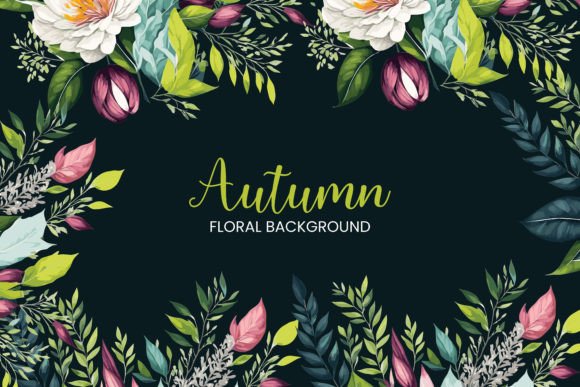
Nature-inspired templates continue to dominate because they evoke growth and timelessness. However, moving beyond generic rose illustrations can elevate the design. Consider using pressed fern scans, eucalyptus silhouettes, or abstract organic shapes derived from topographic maps. These elements provide a sense of place and season without relying on clichés. For outdoor ceremonies, integrating subtle textures like linen, recycled paper grain, or dried flower shadows into the digital template bridges the gap between the physical environment and the printed invite.
Geometric and Architectural Lines
For urban weddings or modernist aesthetics, geometric templates offer structure and sophistication. Art Deco borders, minimalist line work, and architectural blueprints serve as excellent backdrops for bold, sans-serif typography. These templates rely on precision rather than ornamentation. The challenge here is softness; incorporating metallic foils or muted color palettes prevents geometric backgrounds from feeling cold or corporate. This style appeals to couples who value clarity, symmetry, and contemporary elegance.
Fine Art and Painterly Washes
Abstract watercolor washes and acrylic pours create a romantic, ethereal atmosphere. Unlike distinct floral arrangements, these amorphous backgrounds allow for flexible text placement. They are particularly useful for non-standard invitation sizes or asymmetrical layouts. The fluidity of paint suggests movement and emotion, making it ideal for expressive, less formal celebrations. When digitizing these textures, preserving the raw edges and pigment variations maintains the authenticity of the medium.
Adapting Templates Across Platforms and Formats
A robust Wedding Invitation Background Template must be adaptable. Today’s invitations exist simultaneously in print and digital spaces, requiring files that perform well in both contexts. Designers and creators should approach template creation with a multi-format mindset.
- Print Production: Ensure templates include proper bleed areas and safe zones. High-resolution raster textures (300 DPI minimum) are essential for crisp printing. Consider how the background interacts with specialty finishes like embossing or spot UV; a busy pattern might interfere with tactile elements.
- Digital and Mobile: Screens render color differently than paper. RGB versions of templates should be tested on various devices to ensure vibrancy without eye strain. For mobile-first invites, simplify the background density to accommodate smaller screens and scrolling interactions.
- Social Media Teasers: Create cropped or square variations of the main template. These allow couples to share "save the date" announcements or behind-the-scenes content that matches their stationery suite perfectly without redesigning from scratch.
Practical Customization for Unique Results
The danger of using pre-made assets is uniformity. To maintain originality, treat a Wedding Invitation Background Template as a base layer rather than a finished product. Customization is where value is added and where the specific narrative of the couple emerges.
Color Grading and Palette Integration
Never accept default colors as final. Adjusting hue, saturation, and temperature allows a generic template to match specific wedding branding. If a couple’s palette includes terracotta and sage, shifting a standard pink floral template toward warmer, earthier tones instantly aligns it with their vision. Use adjustment layers non-destructively so multiple colorways can be generated from a single master file. This efficiency is vital for freelancers managing multiple clients or couples experimenting with seasonal shifts.
Layering and Mixed Media
Combine multiple templates to create depth. Overlaying a subtle noise texture on top of a smooth gradient adds tactility. Placing vector monograms over photographic backgrounds merges tradition with modernity. Experiment with blending modes—multiply, overlay, and soft light—to integrate disparate elements seamlessly. This technique transforms stock assets into bespoke compositions that cannot be easily replicated by others using the same source material.
Typography Pairing
The background dictates the typeface choice. Intrate, detailed backgrounds require simple, open letterforms to prevent visual clutter. Minimalist backgrounds can handle elaborate scripts or display fonts. Test readability at actual size before finalizing. What looks legible on a 27-inch monitor may become illegible on a 5x7 card. Always print a proof or view the design at 100% zoom to verify that the background enhances rather than obscures the message.
Technical Best Practices for Creators
Whether you are selling templates on Etsy, offering design services, or crafting your own invitations, technical organization impacts the user experience. A beautifully designed file that is difficult to edit frustrates users and devalues the work.
- Organize Layers Logically: Group related elements (e.g., "Background Texture," "Overlay," "Text Safe Zone"). Label every layer clearly. Lock background layers to prevent accidental movement during editing.
- Provide Smart Objects: For Photoshop templates, use Smart Objects for replaceable images or patterns. This allows users to swap content without losing applied filters or transformations, streamlining the customization process.
- Include Documentation: Even intuitive templates benefit from a brief guide. Explain font recommendations, color profile settings (CMYK vs. RGB), and printing tips. Educating the user ensures better outcomes and reduces support inquiries.
- Maintain Editability: Avoid flattening effects unless necessary for performance. Keep gradients, shadows, and adjustments live so users can fine-tune the intensity to suit their specific printer or screen.
Elevating the Guest Experience Through Design
Ultimately, a Wedding Invitation Background Template is a communication tool. It signals the level of formality, the aesthetic theme, and the care put into the event. When executed thoughtfully, it sets expectations and builds anticipation. For professionals, mastering this niche demonstrates an understanding of both art and utility. For individuals, it offers a tangible way to participate in the creative process of their celebration.
Success in this domain comes from restraint and intention. Resist the urge to fill every pixel. Let the background breathe. Prioritize clarity over novelty. By focusing on how the design serves the reader and reflects the couple, you transform a simple template into a meaningful artifact. Whether designing for a luxury destination wedding or an intimate backyard gathering, the principles remain the same: create a foundation that supports the story, respects the medium, and delights the eye. This disciplined creativity is what makes wedding stationery enduringly relevant in a digital age.