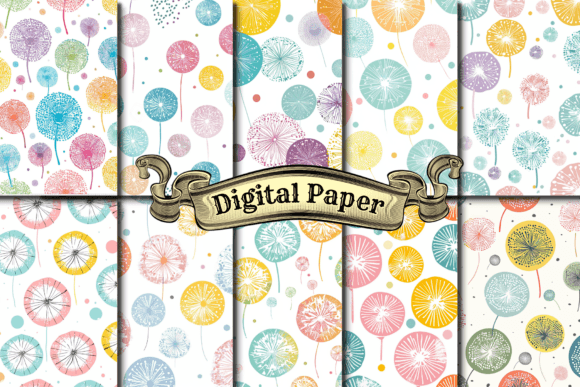
Spring Digital Paper: A Guide for Every Creator
When the seasons change, so does the aesthetic demand for creative projects. Spring digital paper serves as a versatile foundation for design work that celebrates renewal, growth, and fresh color palettes. Unlike physical stationery, these high-resolution digital files offer immediate access to seasonal textures, floral patterns, and pastel backgrounds without the wait for shipping. However, the value of these assets extends far beyond simple decoration. Depending on your role, skill level, and end goal, spring digital paper functions as a time-saver, a revenue generator, an educational tool, or a medium for personal expression.
Defining the Asset Beyond Aesthetics
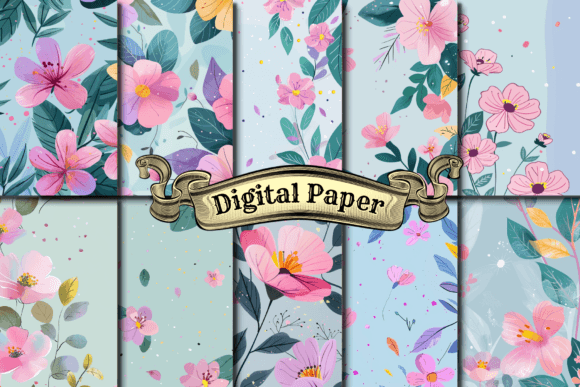
At its core, spring digital paper consists of raster or vector image files designed to mimic traditional scrapbooking paper, wrapping paper, or textured backgrounds. These files typically come in standard sizes like 12x12 inches or A4, featuring themes such as blooming florals, rain showers, gardening motifs, and soft gradient washes. While the visual appeal is the primary draw, the technical specifications matter just as much. High-quality options usually offer 300 DPI resolution for crisp printing and RGB color profiles for vibrant screen display.
Understanding this distinction helps users select the right product. A file optimized for web use might look pixelated when printed on cardstock, while a heavy print-ready file could slow down a website. Recognizing these technical nuances ensures that the digital paper supports the project rather than hindering it.
Priorities for Small Business Owners and Marketers
For entrepreneurs and marketers, spring digital paper is less about art and more about efficiency and brand consistency. Seasonal marketing campaigns require rapid turnaround times, and creating custom backgrounds from scratch for every social media post or email newsletter is rarely feasible. Pre-made digital papers allow businesses to maintain a cohesive seasonal look across multiple platforms without hiring a graphic designer for every minor update.
Commercial licensing becomes the most critical evaluation metric for this group. A hobbyist might only need personal use rights, but a business owner must verify that the license permits commercial application. This includes using the paper in products for sale, client work, or extensive marketing materials. The priority here is reliability and legal safety over unique artistic flair. A slightly simpler pattern with a clear, comprehensive license is often more valuable than a complex design with restrictive usage terms.
- Speed: Reducing design time from hours to minutes.
- Consistency: Maintaining brand colors within seasonal trends.
- Licensing: Ensuring safe commercial use in products and ads.
- Versatility: Using one pack for emails, packaging, and social posts.
Educators and Learning Value
In educational settings, spring digital paper transforms functional documents into engaging learning materials. Teachers and homeschooling parents use these assets to create worksheets, classroom decor, and interactive journals that capture student attention. The psychology of color plays a significant role here; soft greens and yellows associated with spring can create a calming yet stimulating environment conducive to learning.
For educators, the evaluation criteria shift toward readability and print economy. A beautiful, dark floral pattern might be visually stunning but impractical for a worksheet where students need to write answers. Educators often prioritize designs with ample white space or lighter tones that do not consume excessive ink during mass printing. Additionally, many teachers look for editable formats or coordinating clipart bundles that allow them to customize materials for different age groups or subject matters.
Practical Application in the Classroom
A kindergarten teacher might use bold, high-contrast spring patterns for alphabet tracing cards to aid visual recognition. Conversely, a high school literature teacher might opt for subtle, vintage botanical textures as background elements for poetry analysis handouts. In both cases, the digital paper supports the pedagogical goal rather than distracting from it.
Creatives, Hobbyists, and Personal Expression
For digital scrapbookers, journalers, and hobbyists, the relationship with spring digital paper is deeply personal. Here, the metrics of cost-efficiency and speed take a backseat to emotional resonance and creative flexibility. These users are often looking for unique textures that spark inspiration or complement specific photographs and memories.
Hobbyists tend to evaluate quality based on texture depth and color harmony. They may prefer hand-painted watercolor styles over clean vector graphics because the imperfections add warmth and authenticity to personal projects. Flexibility is also paramount; creators often want papers that can be easily layered, masked, or blended without losing integrity. For this audience, purchasing a digital paper pack is an investment in their creative well-being and archival preservation.
- Emotional Connection: Does the pattern evoke the feeling of spring?
- Coordination: Do the colors match existing photo albums or journal themes?
- Texture Quality: Are the brush strokes and grain visible at full zoom?
- Uniqueness: Is the design distinct enough to make the project special?
Navigating Skill Levels and Technical Needs
The utility of spring digital paper varies significantly based on technical proficiency. Beginners often benefit from pre-sized, ready-to-use JPEGs that require no manipulation. These users prioritize ease of use and may seek out tutorials or bundles that include matching elements like borders or frames to simplify the design process. Overwhelming file formats or complex layering requirements can discourage new creators.
Experienced designers and professionals, however, often seek PSD or AI source files. They value the ability to adjust hue, saturation, and opacity to fit specific project requirements. For these users, a flat JPEG is limiting. They assess digital paper based on editability and integration potential. A professional might buy a spring paper pack specifically for the isolated floral elements they can extract and repurpose in a completely different context, valuing modularity over the finished pattern itself.
Evaluating Cost Versus Long-Term Usefulness
Budget considerations differ across audiences, but value remains a universal concern. Free spring digital papers are abundant and excellent for testing styles or completing one-off personal projects. However, free assets often come with lower resolutions, limited licenses, or inconsistent styling. Paid collections typically offer higher quality, better organization, and broader usage rights.
When determining if a purchase aligns with your goals, consider the cost-per-use ratio. A $10 pack used once for a single Instagram story has a high cost-per-use. That same pack used across a month-long marketing campaign, three client projects, and personal portfolio pieces offers immense value. Consumers should assess whether the style is timeless enough to reuse in future springs or if it is too trend-specific to have longevity. Classic botanical illustrations often outlast trendy neon pastels in terms of long-term utility.
Making the Right Choice for Your Project
Ultimately, selecting the right spring digital paper requires honest self-assessment regarding your current needs. If you are launching a product line, prioritize commercial licensing and high-resolution print readiness above all else. If you are teaching a class, focus on readability and ink-friendly designs. If you are preserving family memories, seek out textures that evoke emotion and coordinate with your photos.
There is no single "best" option; there is only the option that best serves your specific intent. By understanding how different audiences leverage these assets, you can move beyond generic searches and find digital paper that genuinely enhances your work, saves you time, or brings joy to your creative process. Whether for profit, education, or pleasure, the right digital background sets the stage for success.