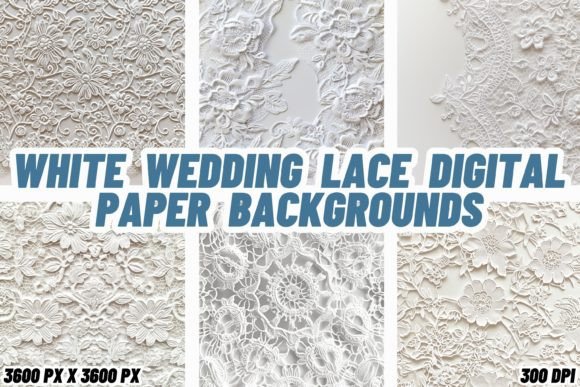
Elevating Digital Design with White Wedding Lace Digital Paper
There is a timeless elegance to lace that few other textures can replicate. In the physical world, it represents tradition, delicacy, and meticulous craftsmanship. In the digital realm, capturing that same ethereal quality requires high-quality assets. White wedding lace digital paper has become an essential resource for designers, crafters, and DIY enthusiasts who want to bring the softness of bridal textiles into modern projects without the cost or fragility of actual fabric. Unlike standard patterns, these digital backgrounds are designed to mimic the intricate depth, shadow, and weave of real lace, providing a versatile foundation for everything from wedding stationery to web design.
The Anatomy of Authentic Digital Lace
Not all digital textures are created equal. When selecting white wedding lace digital paper, the difference between a flat clip-art pattern and a professional-grade texture lies in the details. High-resolution files capture the subtle interplay of light and shadow that occurs when light passes through physical threads. This dimensionality is crucial. A flat white vector might suggest lace, but a rasterized scan or high-fidelity render actually feels like lace.
Resolution is the first technical factor to consider. For print projects like invitations or scrapbooking, 300 DPI (dots per inch) is the non-negotiable standard. Anything lower will result in pixelation that destroys the illusion of delicate thread work. For web use, while 72 DPI was once standard, modern retina displays demand higher resolution assets to maintain crisp edges on the intricate floral and geometric motifs typical of bridal lace.
Transparency and layering capabilities also define utility. The best white wedding lace digital paper collections often include PNG files with transparent backgrounds alongside solid JPGs. Transparent versions allow designers to overlay the lace onto colored cardstock, watercolor washes, or photographs, creating a composite look that mirrors how lace is actually used in fashion and decor. Solid white-on-white JPEGs serve better as standalone backgrounds where the texture itself is the focal point.
Applications in Wedding Stationery and Branding
The most obvious application for these assets is within the wedding industry, but the specific use cases have evolved. Modern couples often seek a blend of vintage romance and contemporary minimalism. White wedding lace digital paper bridges this gap perfectly.
- Invitation Suites: Using lace as a border or a full-bleed background adds immediate tactile interest to digital proofs and printed cards. It sets a romantic tone before the guest even reads the text.
- Wedding Websites: Digital lace serves as an excellent section divider or header background. Because white is neutral, it maintains readability for important logistical information while reinforcing the event's aesthetic theme.
- Social Media Templates: For wedding planners and photographers, lace-textured Instagram stories or Pinterest pins create a cohesive brand identity that signals luxury and attention to detail.
- Printable Decor: From table numbers to menu cards, digital lace allows for consistent theming across all paper goods without the expense of purchasing yards of antique Chantilly or Alençon lace.
When designing with these textures, contrast is key. White lace on a white background relies entirely on shadow definition. If printing at home or using a commercial printer, ensure the file has enough contrast variation so the lace doesn't disappear into the paper stock. Many designers solve this by placing the white lace digital paper over a pale blush, champagne, or slate blue layer to make the weave pop.
Beyond Bridal: Versatility in Craft and Commerce
While "wedding" is in the name, limiting this asset to matrimonial events ignores its broader potential. The neutrality of white lace makes it a chameleon in various creative industries.
Scrapbooking and Memory Keeping
Digital scrapbookers value white wedding lace digital paper for its ability to frame photos without competing with them. Unlike bold, colorful patterned papers, white lace recedes visually, acting as a supportive element rather than a dominant one. It works exceptionally well for baby albums, baptism records, and anniversary gifts where the sentiment is tender and traditional. Hybrid scrapbooking, which combines digital layouts with physical printing, benefits immensely from high-quality lace textures that look authentic when printed on matte photo paper.
Fashion and Textile Design
Fashion students and independent designers frequently use digital lace papers for mood boards and technical sketches. Rather than sourcing expensive swatches during the conceptual phase, they can drape digital lace over croquis figures to visualize how a garment might look. This speeds up the iteration process and allows for rapid experimentation with different lace scales—from large, dramatic guipure patterns to fine, microscopic tulle meshes.
Product Photography and Styling
E-commerce sellers, particularly those dealing in jewelry, skincare, or feminine accessories, utilize these digital assets for composite product photography. Instead of struggling to style physical lace that wrinkles and frays, photographers can composite a pristine layer of white wedding lace digital paper beneath their products in post-production. This ensures a flawless, consistent backdrop for entire catalog collections.
Technical Considerations for Seamless Workflows
Integrating textured assets into a design workflow requires some technical foresight. File management and color accuracy are practical concerns that directly impact the final output.
Color Profiles Matter: White is not always just white. Some digital lace papers have warm, creamy undertones, while others are cool, stark whites. Always check the color profile of the asset. RGB files are optimized for screens and may shift when converted to CMYK for print. If your project is destined for professional printing, request or convert your white wedding lace digital paper to CMYK beforehand to avoid unexpected yellowing or graying of the delicate threads.
Tiling vs. Non-Tiling: Understand whether your asset is seamless. Seamless patterns are essential for web backgrounds or wrapping large surfaces like gift boxes or book covers. Non-seamless, scanned pieces of lace are better suited for specific placements, such as a corner accent on a certificate or a centered overlay on a social media graphic. Using a non-tiling image as a repeating background will result in visible grid lines that break the immersion.
Licensing and Commercial Use: This is perhaps the most critical consideration for professionals. Just because a digital paper is available for download does not mean it is free for commercial exploitation. Always verify the license terms. Some creators allow personal use only, while others offer extended licenses for selling end products like printed invitations or digital templates. Respecting intellectual property protects your business and supports the artists who painstakingly create these high-fidelity textures.
Selecting the Right Style for Your Project
Lace is not a monolith; it comes in distinct styles, each carrying different historical and emotional associations. Choosing the right type of white wedding lace digital paper ensures visual harmony with your project’s intent.
- Chantilly Lace: Characterized by fine, net-like grounds and floral outlines. It feels airy, French, and incredibly romantic. Best for classic wedding invites and delicate feminine branding.
- Guipure (Venetian) Lace: Heavier, with raised, corded designs connected by bars rather than a net ground. It has a sculptural, substantial quality. Ideal for luxury packaging, high-end fashion mockups, and bold statement designs.
- Cotton Crochet Lace: Features thicker yarns and open, geometric or floral holes. It evokes bohemian, rustic, or vintage vibes. Perfect for farmhouse-style weddings, baby showers, and handmade product styling.
- Stretch Lace: Shows a slight distortion or elasticity in the weave. This variety looks more modern and body-conscious. Useful for apparel design visualization and contemporary editorial layouts.
By matching the specific lace variety to the project's mood, designers move beyond generic decoration and into intentional storytelling. The texture becomes a language of its own, communicating heritage, purity, complexity, or comfort depending on the weave selected.
Optimizing Performance Without Sacrificing Beauty
High-resolution texture files can be heavy, potentially slowing down websites or bloating email newsletters. Practical optimization is necessary for digital-first applications. Tools like TinyPNG or Photoshop’s "Save for Web" function can reduce file size significantly without degrading the intricate details of the lace. For web backgrounds, consider using CSS masking or SVG conversions if the lace pattern is simple enough, though complex photographic lace usually remains best as an optimized WebP or AVIF image.
Ultimately, white wedding lace digital paper is more than a decorative afterthought. It is a functional design tool that brings warmth, history, and tactile sophistication to the digital canvas. Whether you are crafting a bespoke invitation suite, building a romantic website, or styling a product line, understanding the nuances of these textures allows you to leverage their full potential. The goal is always to make the viewer feel something—to sense the thread, the history, and the care embedded in the design, even if they are only seeing pixels on a screen.