Choosing the Right 1776 American Flag T-Shirt Design: A Practical Guide to Quality and Authenticity
The intersection of historical patriotism and modern apparel creates a unique niche for creators, small business owners, and consumers alike. When exploring a 1776 American Flag T-shirt design, the goal is often to capture the spirit of independence while producing or purchasing a garment that respects both history and aesthetic standards. However, the market is saturated with low-effort graphics, historical inaccuracies, and poor print executions that can undermine the message you intend to convey. Whether you are a freelance designer creating merchandise for a client, an educator looking for accurate visual aids, or a consumer seeking meaningful apparel, understanding the nuances of this specific design category is essential for satisfaction and quality.
Distinguishing Historical Accuracy from Generic Imagery
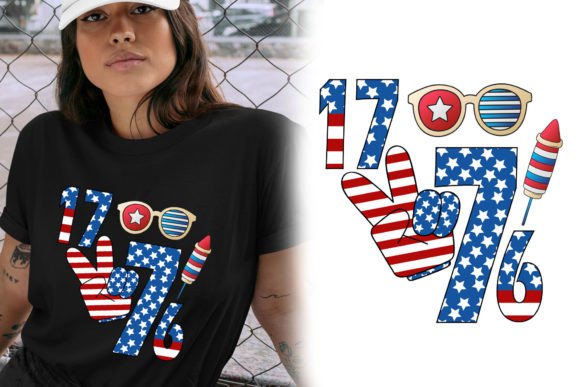
One of the most frequent oversights in this niche is the conflation of the modern 50-star flag with the revolutionary era. A genuine 1776 theme typically references the Betsy Ross circle star pattern, the Grand Union Flag, or other colonial banners. Using a standard modern flag alongside "1776" typography creates a visual dissonance that history buffs and discerning customers immediately notice. This mismatch does not necessarily make a shirt "wrong," but it shifts the product from a historical homage to generic patriotic wear.
For designers and marketers, this distinction matters for search intent and customer trust. If your product description emphasizes revolutionary history but the graphic features 50 stars arranged in modern rows, you risk negative reviews regarding accuracy. Conversely, if you intentionally use the modern flag to symbolize current patriotism rooted in founding ideals, be explicit about that choice in your marketing copy. Clarity prevents disappointment.
- Verify Star Counts: Ensure the number of stars matches the era depicted (13 for 1776).
- Check Stripe Proportions: Early flags often had different stripe ratios than the standardized modern version.
- Typography Pairing: Avoid pairing 18th-century dates with futuristic or overly sleek fonts unless aiming for deliberate juxtaposition.
Navigating File Quality and Print Viability
A beautiful concept on a screen can quickly become a production nightmare if technical specifications are ignored. Many downloadable 1776 American Flag T-shirt designs found on stock sites or free repositories are optimized for web viewing, not textile printing. Using a 72 DPI PNG file for direct-to-garment (DTG) or screen printing results in pixelation, jagged edges, and muddy colors. This is particularly problematic with vintage-style distress textures, which rely on fine detail to look authentic rather than like digital noise.
Before committing to a design file, always inspect it at 100% zoom at the intended print size. For professional results, vector files (AI, EPS, SVG) are superior because they scale infinitely without quality loss. If you must use raster images, ensure they are at least 300 DPI at actual print dimensions. Entrepreneurs and hobbyists should also consider color separation; a design with twelve colors might look stunning digitally but could be cost-prohibitive for screen printing. Simplifying the color palette or switching to DTG can maintain visual impact while keeping unit costs manageable.
Common Technical Pitfalls to Avoid
- Ignoring Fabric Color Contrast: A dark navy design on a black shirt loses all definition. Always mock up designs on the specific garment color you intend to sell or wear.
- Over-Distressing: Excessive grunge overlays can obscure key elements like stars or text when printed on textured fabrics.
- Neglecting Safe Zones: Placing critical design elements too close to seams or collars leads to inconsistent placement during mass production.
Licensing, Originality, and Commercial Safety
While the year 1776 and the concept of the American flag are public domain, specific artistic interpretations are not. A significant mistake made by new sellers and bloggers is assuming that any image labeled "free" or "vintage" is safe for commercial use. Many popular retro 1776 designs are copyrighted works created by contemporary artists. Using these without a proper commercial license exposes you to takedowns, legal fees, and reputational damage.
To protect your business or personal project, trace the source of every asset. If you are using AI generation tools, understand the platform’s terms regarding ownership and commercial rights. If hiring a freelancer, ensure the contract explicitly transfers full commercial rights to you. Creating original artwork or significantly modifying licensed assets is often safer and more valuable than relying on ubiquitous stock vectors that dozens of other sellers are already using. Unique designs command higher prices and build stronger brand identity.
Evaluating Design Placement and Wearability
Aesthetics matter, but so does ergonomics. A massive, blocky 1776 American Flag T-shirt design covering the entire torso may look bold on a monitor, but it can feel heavy, stiff, and uncomfortable when printed. Large areas of solid ink reduce fabric breathability, making the shirt unwearable in summer months—the peak season for patriotic apparel. Furthermore, oversized prints placed too low can visually distort the wearer's proportions or end up folding awkwardly around the midsection.
Consider the end-user experience. Left-chest placements offer a subtle, classic look suitable for everyday wear, while centered chest designs provide maximum visibility for events. Back prints allow for larger, more detailed historical illustrations without compromising front comfort. When evaluating a design, ask whether it serves its intended function. Is it meant to be a conversation starter at a rally, or a comfortable daily reminder of heritage? Aligning the scale and placement with the garment’s purpose ensures the final product is actually worn rather than relegated to a drawer.
Making Informed Decisions Before Purchase or Production
Whether you are buying a single shirt for yourself or launching a collection, taking a moment to evaluate the fundamentals saves time and money. Look beyond the thumbnail image. Read reviews specifically mentioning print quality and sizing accuracy. For creators, test print a sample before listing products to verify color matching and hand-feel. The difference between a cheap novelty item and a cherished piece of apparel often lies in these verification steps.
Ultimately, a successful 1776 American Flag T-shirt design balances respect for history with modern production realities. By avoiding historical laziness, ensuring technical excellence, respecting intellectual property, and prioritizing wearability, you elevate the final result. This thoughtful approach not only satisfies customers and audiences but also honors the legacy the design seeks to represent. Quality, in this context, is its own form of patriotism.