Black T-Shirt Print Showcasing a Picture
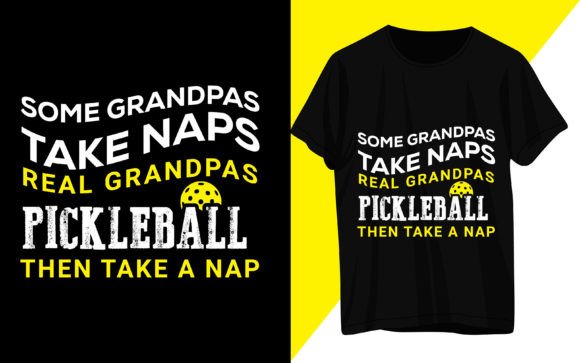
A black t-shirt print showcasing a picture is more than just a garment; it is a high-contrast canvas for visual communication. For designers, marketers, and creators, the dark substrate offers specific advantages that white or light-colored fabrics simply cannot replicate. The depth of black fabric makes colors appear more saturated and vibrant, while simultaneously providing a sleek, modern backdrop for photography and detailed illustrations. Understanding how to leverage this medium is essential for anyone looking to produce merchandise that feels premium rather than promotional.
The utility of this format extends far beyond band tees or concert souvenirs. In professional and educational settings, a well-executed print on dark fabric serves as a functional tool for branding, team identity, and instructional messaging. When you choose a black t-shirt print showcasing a picture, you are making a deliberate design choice that prioritizes visual impact and longevity. The dark background naturally hides wear and staining better than lighter alternatives, ensuring the message remains clear even after repeated use in active environments.
Visual Dynamics and Design Strengths
The primary strength of printing on black fabric lies in contrast management. Human vision is naturally drawn to areas of high luminance difference. When a picture is printed on a black t-shirt, the negative space becomes an active part of the composition. This allows for cleaner designs where the shirt color itself defines shadows and outlines. For photographers and digital artists, this means less ink coverage is often required to achieve a striking result, as the fabric does the heavy lifting for darker tones.
Color accuracy also shifts on dark substrates. Bright neons, metallics, and pastels tend to pop with greater intensity against black. This characteristic is particularly useful for brands using specific accent colors. A logo that might look washed out on a grey heather shirt will appear crisp and authoritative on black. However, this requires intentional file preparation. Images must be adjusted for gamma and brightness before printing, as standard RGB files often translate poorly to dark textiles without modification.
- Enhanced Saturation: Dark backgrounds amplify perceived color vibrancy, making artistic prints stand out in retail or event settings.
- Shadow Integration: Designers can utilize the shirt color as the deepest shadow value, reducing ink density and improving fabric hand-feel.
- Fatigue Resistance: Black garments maintain a professional appearance longer, resisting visible sweat marks and minor stains during long events.
- Modern Aesthetic: The combination of photography and dark apparel aligns with contemporary streetwear and tech-industry visual trends.
Professional and Commercial Applications
In the business world, a black t-shirt print showcasing a picture functions as a mobile billboard with higher perceived value. Tech startups, creative agencies, and hospitality groups frequently prefer dark uniforms because they convey sophistication. Unlike standard corporate polos, a photo-realistic print on black cotton suggests innovation and creativity. For entrepreneurs selling merchandise, this format supports higher price points. Customers associate dark, full-color prints with boutique quality rather than bulk giveaway items.
Marketing teams also benefit from the versatility of this medium. At trade shows and conferences, staff wearing coordinated dark shirts with product imagery create a cohesive visual anchor in crowded halls. The high contrast ensures readability from a distance, which is critical for booth visibility. Furthermore, when these shirts are photographed for social media or website content, the consistent dark tone simplifies post-production editing and maintains brand consistency across different lighting conditions.
Educational and Creative Use Cases
Educators and workshop facilitators are increasingly adopting custom apparel to foster community and aid retention. A black t-shirt print showcasing a picture of a historical artifact, scientific diagram, or literary quote serves as a wearable reference point. In STEM fields, detailed schematics printed on dark shirts reduce glare under harsh classroom lighting, making them easier to read than glossy white surfaces. For art students and hobbyists, creating prints on black fabric teaches valuable lessons about color theory, negative space, and material constraints.
Content creators and streamers also utilize this format for personal branding. On camera, black clothing minimizes distractions and prevents auto-exposure issues that often plague bright white shirts. A subtle graphic or picture print adds personality without competing with the creator’s face or on-screen overlays. This practical application bridges the gap between personal style and professional presentation, allowing individuals to express their niche interests while maintaining a polished on-air look.
Selecting the Right Print Technology
Not all printing methods handle black fabric equally. Choosing the wrong technique can result in stiff textures, muted colors, or rapid fading. Direct-to-Garment (DTG) printing is generally the industry standard for complex pictures on black cotton. DTG uses a white ink underbase layer that allows CMYK colors to render accurately on dark fibers. Without this underbase, colors would absorb into the black dye and disappear. Modern DTG has improved significantly, offering softer hand-feels and better wash fastness than older transfer methods.
Dye-sublimation is another option, but it typically requires polyester blends. While sublimation produces incredibly vivid, permanent images that never crack or fade, the synthetic feel may not suit every audience. Screen printing remains viable for simpler pictures with limited color palettes. It offers excellent durability and opacity but becomes cost-prohibitive for full-color photographs due to setup complexity. Evaluating your specific image, budget, and desired fabric texture is crucial before placing an order.
- Analyze Image Complexity: Full-color photos require DTG or sublimation; simple graphics may work with screen print or vinyl.
- Test Fabric Blends: 100% cotton works best for DTG; poly-blends are necessary for sublimation but change the garment drape.
- Request Physical Samples: Digital proofs do not show how white ink interacts with black fabric texture; always verify opacity.
- Consider Wash Durability: Ask suppliers about pretreatment processes and curing standards to ensure the print survives laundering.
Practical Considerations for Implementation
Successful execution requires attention to prepress details. Images intended for a black t-shirt print showcasing a picture should be converted to CMYK color mode and checked for black generation settings. Pure black areas in the digital file should be set to transparent so the fabric shows through, rather than printing unnecessary black ink on top of a black shirt. This reduces stiffness and improves breathability. Additionally, increasing mid-tone contrast by 10-15% helps compensate for the natural dot gain that occurs when ink absorbs into textile fibers.
Sizing and placement also demand careful thought. Pictures placed too low on the chest can get lost in fabric folds, especially on larger sizes. Center-chest or upper-left placements generally offer the most stable viewing surface. For oversized or boxy fits, consider scaling the image up to match the garment proportions. Finally, always communicate care instructions to end-users. Washing inside-out in cold water and air drying significantly extends the life of prints on dark garments, preserving both the fabric dye and the ink integrity over years of use.