Antique Chinese Papers: A Guide to History and Use
Collecting and utilizing antique Chinese papers offers a tangible connection to centuries of artistic tradition, scholarly pursuit, and cultural evolution. Unlike modern mass-produced stationery, these historical artifacts carry the weight of specific eras, ranging from delicate Ming dynasty letter sheets to robust Qing administrative documents. For collectors, designers, historians, and artists, understanding these materials goes beyond simple aesthetics; it involves appreciating the craftsmanship of traditional papermaking and the social contexts in which these items were originally created. Whether you are looking to preserve a family heirloom, source authentic textures for digital design, or simply deepen your appreciation of East Asian art history, navigating this niche requires a blend of curiosity and practical knowledge.
Defining Authenticity and Material Characteristics
When enthusiasts refer to antique Chinese papers, they are typically discussing handmade sheets produced using traditional methods that date back over a thousand years. The most renowned variety is Xuan paper (often called rice paper in the West), but the category also encompasses bamboo paper, mulberry paper, and various treated or decorated sheets used for official decrees, poetry, and painting. Authentic antique specimens are distinguished by their fiber composition and aging patterns. Genuine aged paper develops a natural patina, often shifting toward warm ochre or deep tea tones, which differs significantly from the uniform yellowing caused by artificial staining or chemical oxidation.
The texture of these papers is another critical identifier. Traditional manufacturing involved hand-lifting pulp from a vat, resulting in subtle variations in thickness and fiber distribution that machines cannot replicate. You might notice "cloud patterns" or visible strands of bark and hemp within the sheet. These imperfections are not defects; they are signatures of human labor and organic materials. For professionals and serious hobbyists, recognizing these tactile qualities is essential for distinguishing between a true 19th-century artifact and a modern reproduction designed to look old.
Cultural Significance and Collector Value
The value of antique Chinese papers extends far beyond monetary worth. Each sheet serves as a primary source document reflecting the technological capabilities and aesthetic preferences of its time. For example, papers from the late Qing dynasty intended for imperial use often feature intricate watermarks, gold flecking, or dragon motifs, signaling status and authority. In contrast, simpler bamboo papers used for merchant ledgers or personal correspondence tell stories of daily life and commerce. Collectors often seek out specific types based on provenance, condition, and rarity, but there is also immense value in studying the evolution of paper sizing, dyeing techniques, and decorative borders.
For educators and researchers, these papers provide insight into literacy rates, bureaucratic systems, and artistic movements. The way ink interacts with an antique surface can reveal information about historical calligraphy styles and brush techniques that modern papers cannot demonstrate. This educational dimension makes collecting a dynamic pursuit rather than a static hoarding of objects.
Practical Applications in Creative and Professional Contexts
While preservation is paramount for rare items, many collectors and creators find meaningful ways to integrate antique Chinese papers into active projects. The key is to balance utility with respect for the artifact's longevity. Here are several realistic applications across different fields:
- Bookbinding and Conservation: Restorers frequently use period-appropriate paper to repair damaged spines, endpapers, or covers in antique books. Matching the fiber content and color ensures repairs are reversible and historically accurate.
- Fine Art and Calligraphy: Some artists reserve lower-grade antique sheets for practice or experimental work, valuing the unique absorbency and ink bleed characteristics that differ from contemporary Xuan paper.
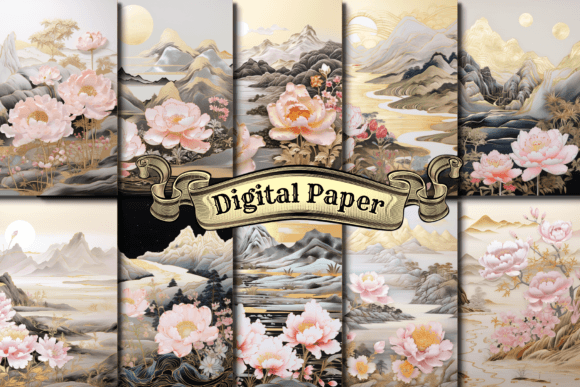
- Digital Asset Creation: Designers and marketers often scan high-resolution images of antique textures to create backgrounds for websites, packaging, or branding. This allows for the aesthetic use of historical materials without risking physical degradation.
- Interior Design and Framing: Smaller fragments or less valuable sheets can be mounted in UV-protective glass as wall art, adding warmth and historical depth to modern minimalist spaces.
- Educational Workshops: Teachers use sample pieces to demonstrate papermaking history, allowing students to touch and examine fibers safely under supervision.
It is important to note that using antique paper for new artwork should generally be reserved for common varieties or damaged fragments that lack significant historical or monetary value. Rare or pristine specimens should remain untouched to preserve their integrity for future study.
Sourcing Ethically and Avoiding Common Pitfalls
Entering the market for antique Chinese papers requires diligence. The proliferation of convincing reproductions means buyers must educate themselves before making significant purchases. Reputable dealers will provide detailed descriptions regarding age, origin, and any restoration work performed. Be wary of sellers who cannot explain the paper’s provenance or who offer "antique" sheets at suspiciously low prices. Auction houses, specialized Asian art galleries, and established online platforms with vetting processes are generally safer starting points than general marketplaces.
Ethical sourcing also matters. Ensure that items have been legally exported and do not originate from looted archaeological sites or stolen archives. Provenance documentation not only protects your investment but also supports the responsible stewardship of cultural heritage. For beginners, starting with smaller, affordable pieces allows you to develop your eye and handling skills without significant financial risk.
Essential Care and Preservation Guidelines
Owning antique Chinese papers comes with the responsibility of proper stewardship. These organic materials are sensitive to environmental fluctuations and improper handling. Maintaining stable conditions is the single most effective way to ensure longevity.
- Climate Control: Store papers in an environment with stable temperature (around 68°F/20°C) and relative humidity (45–55%). Extreme dryness causes brittleness, while excess moisture encourages mold and foxing.
- Light Protection: Ultraviolet light is destructive to cellulose fibers and historical dyes. Always store items in darkness and display them only under UV-filtered lighting for limited periods.
- Archival Storage: Use acid-free folders, boxes, and tissue paper. Never use adhesive tapes, rubber bands, or plastic sleeves that are not chemically inert, as these can cause irreversible staining and degradation.
- Safe Handling: Oils and acids from skin can damage fragile surfaces. Wear clean cotton gloves or wash hands thoroughly before touching. Support large sheets fully when moving them to prevent tearing.
- Pest Management: Inspect collections regularly for signs of silverfish, booklice, or beetles. Integrated pest management through cleanliness and monitoring is preferable to chemical treatments near delicate artifacts.
For those interested in digitizing their collection, flatbed scanning with careful calibration is preferred over photography for capturing texture detail, though overhead camera setups may be necessary for fragile items that cannot withstand contact with scanner glass. Always consult a professional conservator before attempting any cleaning or repair work, as amateur interventions often cause more harm than good.
Engaging with antique Chinese papers is ultimately an exercise in mindfulness and historical empathy. Whether you are a designer seeking authentic texture, a scholar researching material culture, or a collector preserving beauty for future generations, approaching these artifacts with knowledge and respect enriches both the object and your own experience. Start small, learn continuously, and let the quiet elegance of these historical materials guide your journey.